Social media algorithms are hungry beasts. To stay relevant on TikTok, Instagram Reels, or YouTube Shorts, creators need to feed these platforms constantly. But the traditional video production workflow—scripting, filming, editing, color grading—is too slow to keep up with the lightning-fast pace of internet trends.
This is where Artificial Intelligence steps in. We are witnessing a massive shift where text-to-video technology is democratizing content creation. You no longer need expensive cameras or Premiere Pro skills to build an audience. You just need an idea and the right tool. Here are 10 text-to-video AI platforms that are fundamentally changing how social media content is made.
1. Pollo AI
Best for: Effortless, “no-edit” viral hits on the go.

If you want to bypass the learning curve entirely and go straight to posting, Pollo AI is the ultimate text to video AI solution. While many tools act as assistants, Pollo AI functions as a complete all-in-one agent. It takes your simple text prompt and autonomously handles every aspect of production: scripting, voiceover synthesis, visual selection, and pacing.
The platform is designed specifically for the viral nature of social media. Its “no-edit” philosophy means you don’t need to tweak timelines or adjust audio levels; you get a finished product in one click. Pollo AI boasts a massive library of templates that are constantly updated to reflect the latest trending aesthetics, ensuring your content never looks stale. Furthermore, it is one of the few high-powered AI tools with a dedicated mobile app, allowing you to generate explosive content from your phone while you’re out and about.
2. Sora (by OpenAI)
Best for: High-end cinematic realism.
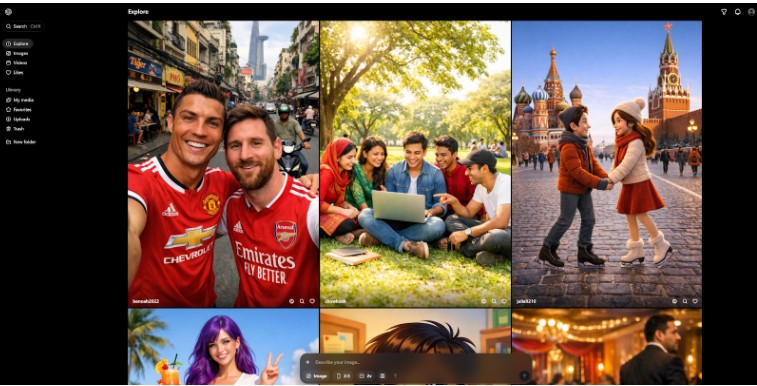
Sora represents the bleeding edge of generative video. Created by OpenAI, it is famous for its ability to simulate the physical world with startling accuracy. You can type a prompt like “a wooly mammoth walking through a snowy Tokyo street,” and Sora generates a video that looks like a big-budget movie production. While it is currently more of a generation engine than a marketing suite, its potential for creating stunning B-roll and scroll-stopping visuals is unmatched. It raises the bar for visual fidelity on social platforms.
3. Runway Gen-2
Best for: Artistic experimentation and style transfer.
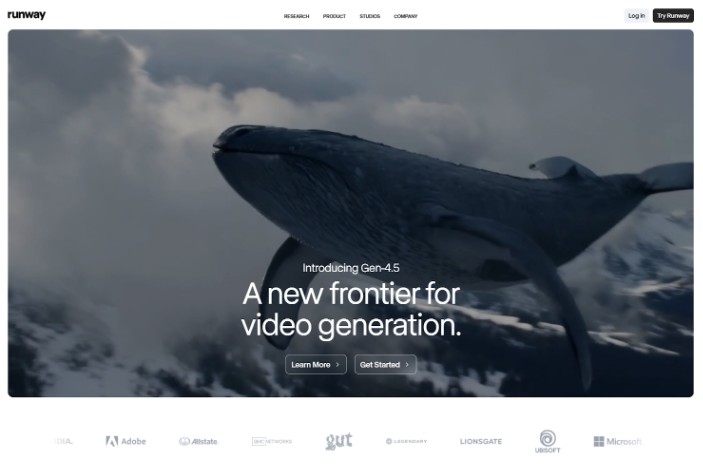
Runway is the darling of the creative community. It offers granular control over video generation that most other tools lack. With Gen-2, you can use text prompts to create videos in specific artistic styles—from anime to claymation to surrealism. It also features a “Motion Brush” tool, allowing you to paint over specific areas of an image to tell the AI exactly what should move and in which direction. For brands that want a unique, artsy aesthetic that stands out from generic stock footage, Runway is the go-to choice.
4. HeyGen
Best for: Personal branding and AI avatars.
Social media is driven by personalities, but not everyone is comfortable on camera. HeyGen solves this by creating hyper-realistic AI avatars. You can upload a script, and a digital avatar (which can be a stock character or a clone of yourself) will deliver the message with perfect lip-syncing. This is revolutionary for creators who want to build a personal brand or deliver educational content without the hassle of setting up lighting and microphones every single day.
5. InVideo AI
Best for: YouTube automation and long-form storytelling.
InVideo AI is built for storytellers. It functions like a co-pilot, taking a broad prompt—such as “Explain the history of the internet”—and generating a full video complete with a script, stock footage, voiceover, and background music. It is particularly strong for “faceless” YouTube channels or informational TikTok series. The tool allows for text-based editing, meaning you can type commands like “change the tone to be more humorous” to instantly adjust the video’s vibe.
6. Pika Labs
Best for: Animation and transforming existing videos.
Pika has gained a massive following on Discord and the web for its ability to animate static images and transform video styles. Its “video-to-video” feature is a game changer for social media trends. You can upload a video of yourself dancing and ask Pika to turn you into a cartoon character or a statue, and it will maintain your movement while completely changing the visual style. It is an incredible tool for participating in visual trends on TikTok.
7. Synthesia
Best for: Professional and corporate communications.
While similar to HeyGen, Synthesia leans heavily into the professional sector. It is widely used for creating polished, corporate-style updates for LinkedIn or internal communications. With support for over 120 languages, it allows global brands to create localized social media content instantly. If you need to turn a press release or a company update into a video that looks authoritative and professional, Synthesia is the industry standard.
8. Kaiber
Best for: Music visualization and reactive visuals.
Kaiber is the engine behind some of the most viral music videos of the last year. It specializes in audio-reactive content. You upload a song or a sound clip, describe a visual theme, and Kaiber generates trippy, morphing visuals that pulse to the beat. For musicians, DJs, and lifestyle influencers looking to create “vibey” content for Instagram Stories or Reels, Kaiber offers a distinct aesthetic that static video generators cannot match.
9. Fliki
Best for: Turning blog posts into social clips.
Fliki is designed for the repurposing workflow. It excels at taking text-based content, such as blog posts or tweets, and converting them into video format with lifelike AI voices. Its library of stock media is vast, but its real strength is its voice cloning and text-to-speech capabilities. It allows writers and bloggers to pivot to video platforms like TikTok without needing to learn video editing, effectively doubling the lifespan of their written content.
10. Opus Clip
Best for: Repurposing long videos into viral shorts.
Opus Clip is technically a “repurposing” AI, but it is essential for the current social media landscape. It takes long-form videos (like podcasts or interviews) and uses AI to identify the most viral, engaging hooks. It then chops them into vertical short-form videos, adds dynamic captions, and scores them based on their viral potential. For podcasters and streamers, Opus Clip automates the tedious process of finding and editing clips for TikTok and Shorts.
Final Thoughts
The barrier to entry for video creation has never been lower. Whether you need the all-in-one automation of Pollo AI to generate hits from your phone, the artistic flair of Runway, or the avatar capabilities of HeyGen, there is a tool here to suit every strategy. The key to winning on social media today is not just quality, but consistency—and these AI tools are the secret to achieving both.
Also Read: Using AI Writer to Generate Video Proposals Inside CapCut Desktop Video Editor